Podcast series · 10 episodes · 1914–1918
The Real First World War
A ten-part WW1 history podcast in which leading historians explain how their work challenges traditional wisdom, offering new insights and overturning old myths.
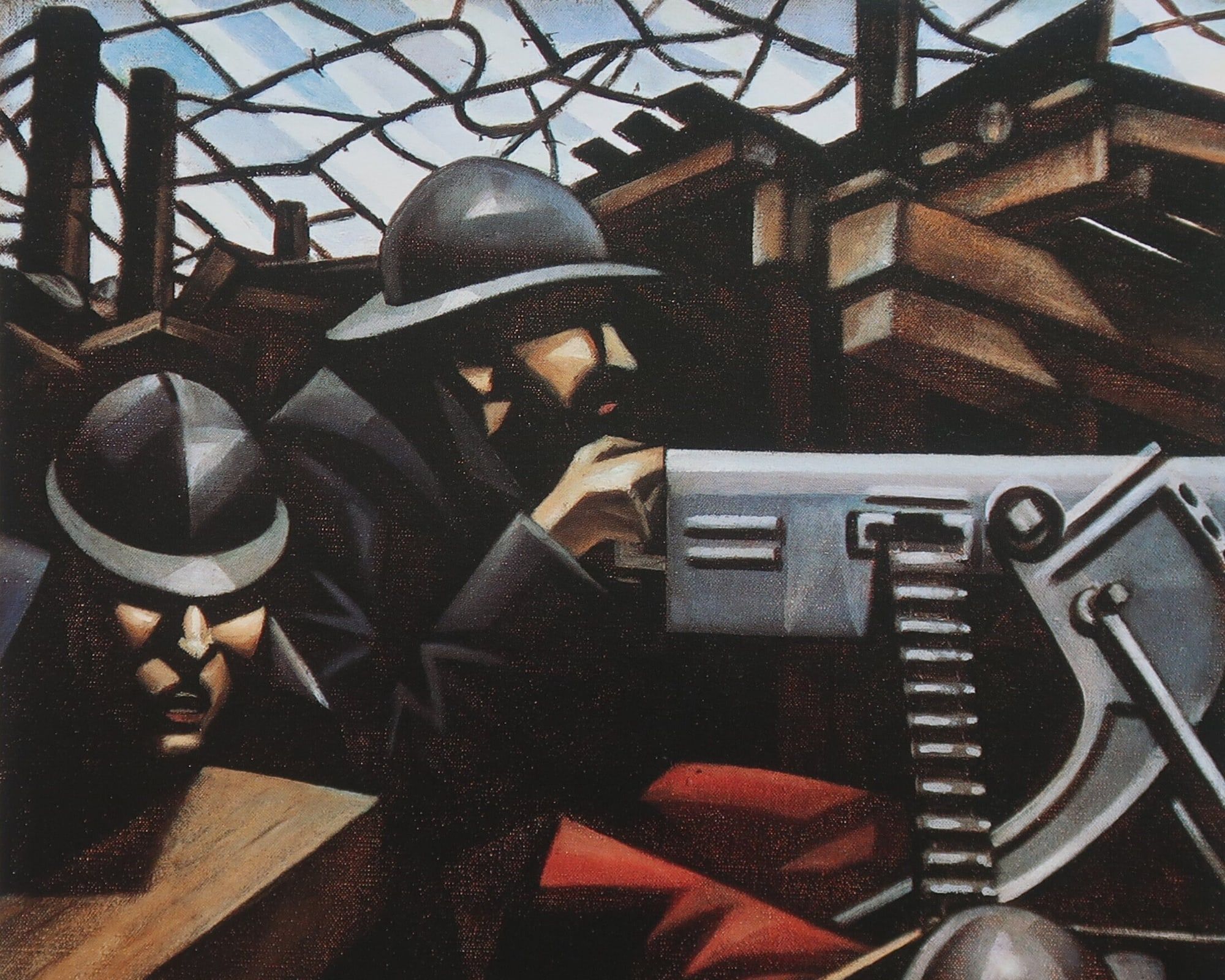
Was the First World War really futile?
Not according to most historians today. The popular British view of WW1 as wasteful and futile was essentially the verdict of a handful of trench poets. One voice among many after 1918, it came to dominate from the mid-1960s and flourished again during the 2014–18 centenary.
Over the last thirty years, using new approaches and fresh sources, professional historians have transformed that picture. Their centenary books show a first global war that was stranger, more complex and more modern than we have been led to believe.
The ten episodes
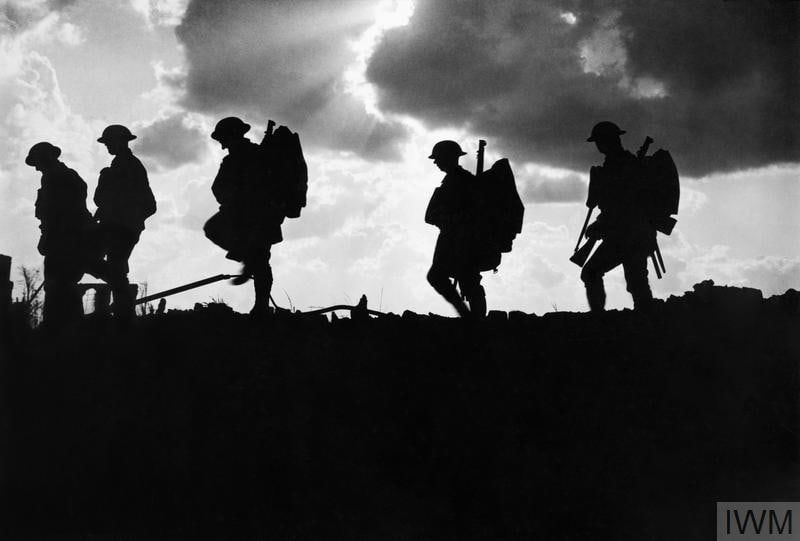
Episode 01 · 37:40
100 Years On
with Heather Jones · Professor of Modern & Contemporary European History, University College London
How has the history of the First World War changed since the 1960s?
The traditional British view of the First World War is now very outdated. Professor Heather Jones explains how professional historians have transformed the landscape since the 1960s, revealing a far more complex and diverse picture of the conflict.
0:00 / 37:40Key takeaways & transcript →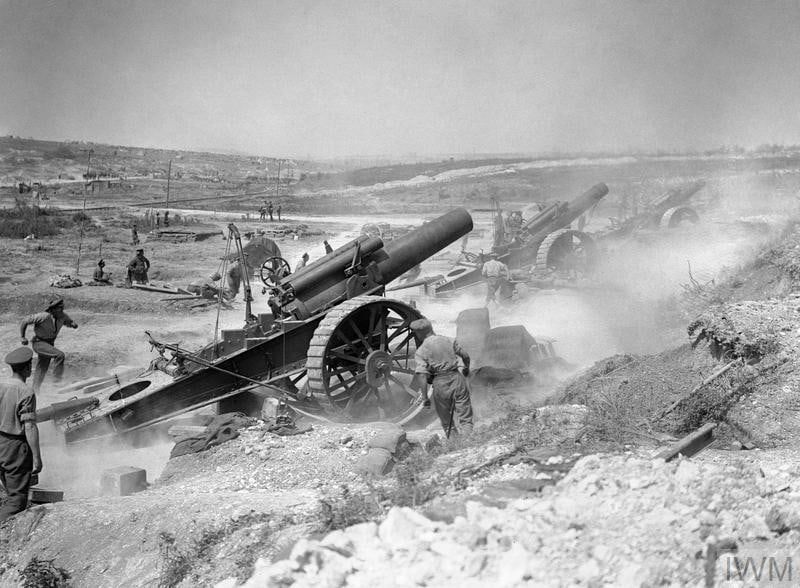
Episode 02 · 35:18
The Western Front
with Gary Sheffield · Professor Emeritus of War Studies, University of Wolverhampton
Was the Western Front really a futile slaughter?
The popular British narrative depicts the Western Front as wasteful and futile. Professor Gary Sheffield shows this was a war that had to be fought and won, and that the Allies overcame their mistakes to inflict a decisive defeat on Germany.
0:00 / 35:18Key takeaways & transcript →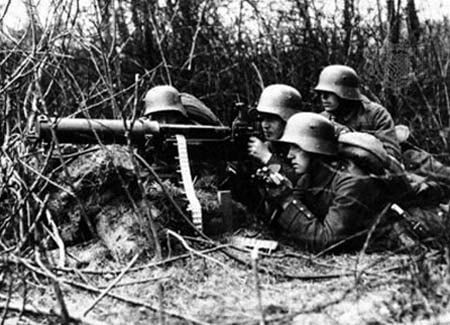
Episode 03 · 30:04
Through German Eyes
with Jonathan Boff · Professor of Military History, University of Birmingham
How did the Germans experience the Western Front?
Comparative history has deepened our understanding of the First World War. Professor Jonathan Boff looks at the Western Front from the German perspective, throwing new light on the trench-bound struggle and the final German collapse in 1918.
0:00 / 30:04Key takeaways & transcript →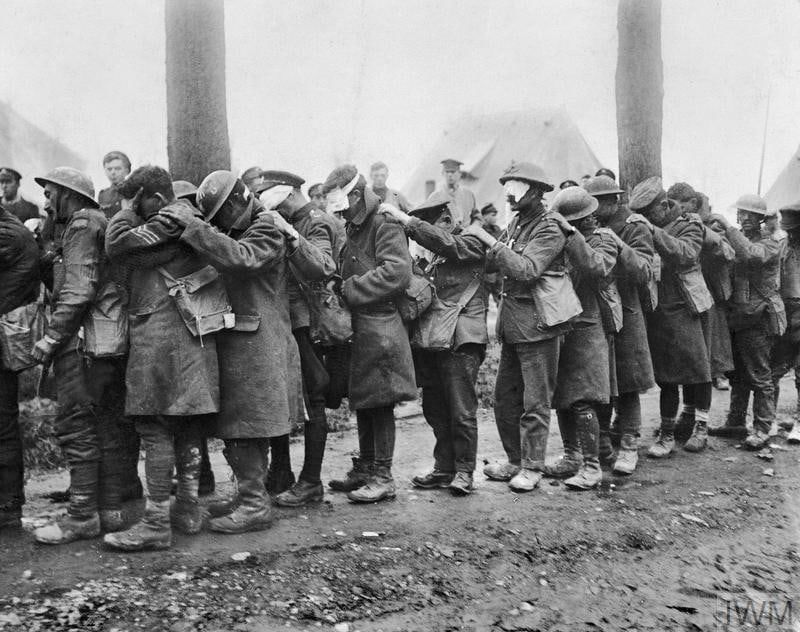
Episode 04 · 29:03
Crossing The Line
with Diana Preston · Author and Historian
How did the First World War break the rules of war?
Before 1914, international rules were established to govern the conduct of war. Diana Preston explains how every side rapidly overran key red lines in 1915, and how in just six weeks the world changed forever.
0:00 / 29:03Key takeaways & transcript →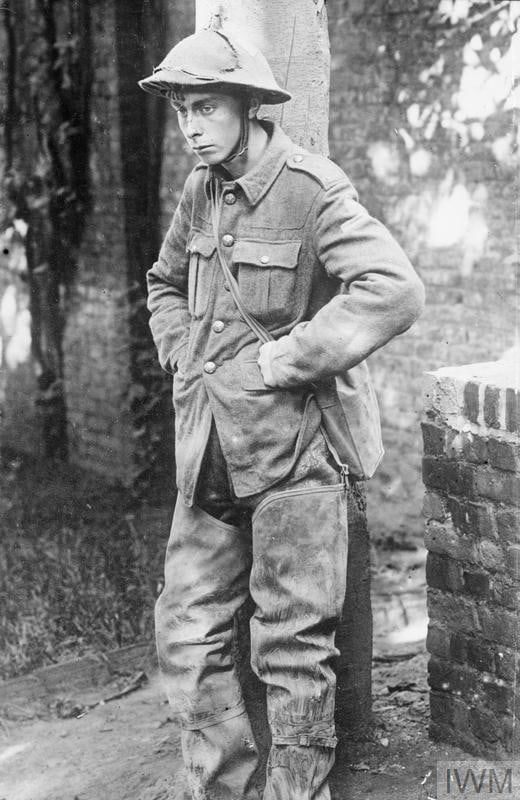
Episode 05 · 28:42
Shell Shock
with Taylor Downing · Historian, writer and broadcaster
What was shell shock and how did the British Army respond?
Shell shock was unknown before the First World War. Taylor Downing shows how it reached crisis levels at the Somme, drawing a brutal response from the British Army, while doctors were divided over how to treat it.
0:00 / 28:42Key takeaways & transcript →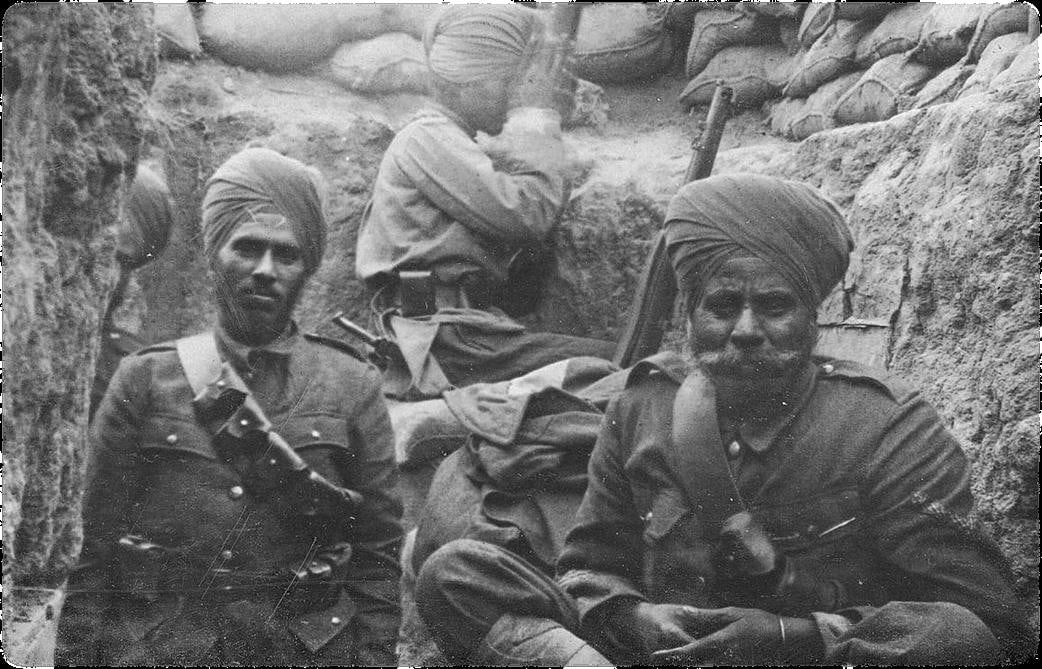
Episode 06 · 31:26
The Indian Experience
with George Morton-Jack · Historian
What role did Indian soldiers play in the First World War?
1.5 million Indians volunteered to fight for Britain during the First World War. George Morton-Jack reveals how their story has too often been ignored or misunderstood, and why they were critical to defending Britain’s empire.
0:00 / 31:26Key takeaways & transcript →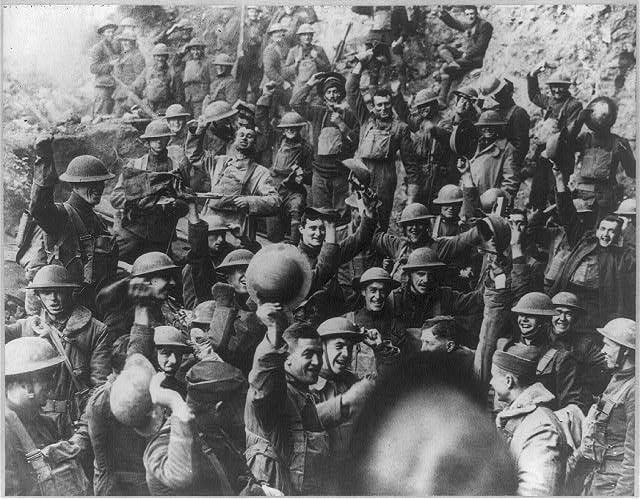
Episode 07 · 25:42
Year of Victory
with Peter Hart · Former Oral Historian, Imperial War Museum
Why was 1918 the decisive year of the First World War?
In the popular British narrative, 1918 is the forgotten year of the war. Peter Hart explains how it turned stalemate into victory, as the Allies pressed home their advantage after Germany’s failed spring offensives.
0:00 / 25:42Key takeaways & transcript →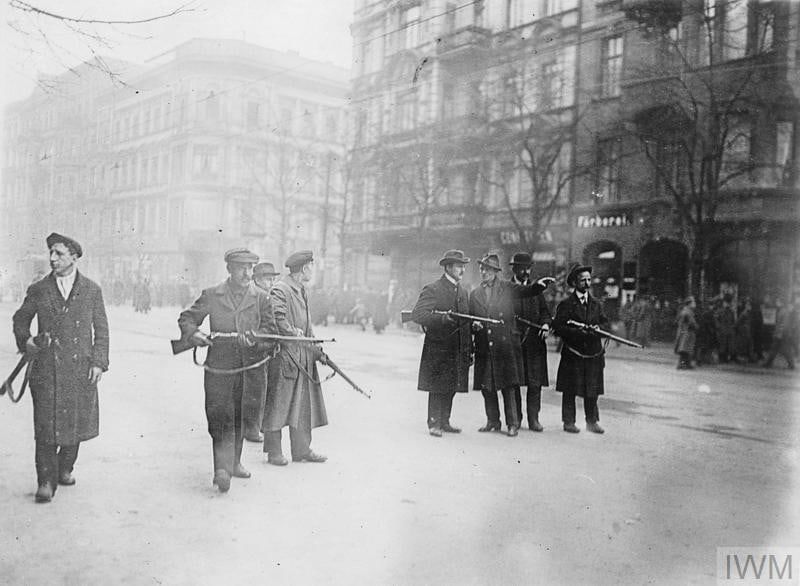
Episode 08 · 29:37
War Without End
with Robert Gerwarth · Professor of Modern History, University College Dublin
Did the First World War really end in 1918?
We think of the First World War as 1914–18, but Professor Robert Gerwarth explains that 1918 did not end the fighting in much of Europe: violence continued well into the 1920s as new nation-states emerged from collapsed empires.
0:00 / 29:37Key takeaways & transcript →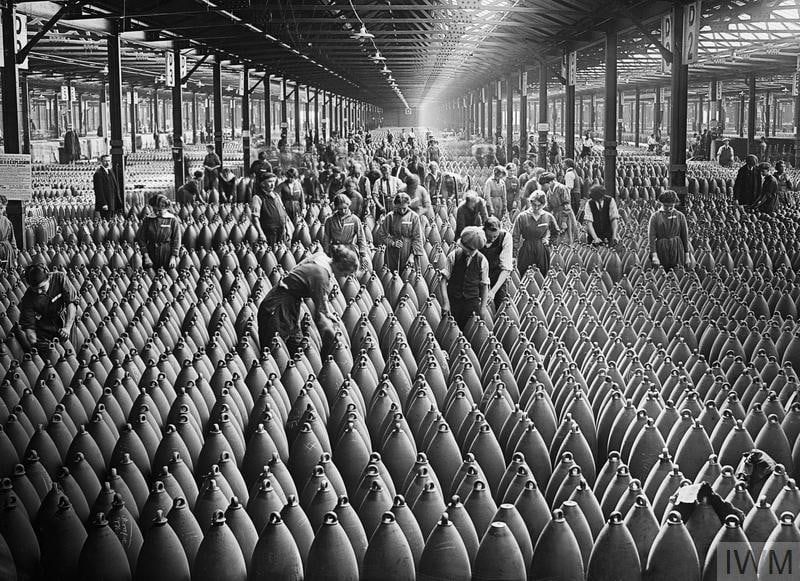
Episode 09 · 30:46
Attrition
with William Philpott · Professor of the History of Warfare, King’s College London
What was the strategy of attrition in the First World War?
Professor William Philpott analyses the war as a coherent whole, showing how the combatants evolved a strategy of attrition that harnessed every resource of the state: a war for survival in which defeat meant national destruction.
0:00 / 30:46Key takeaways & transcript →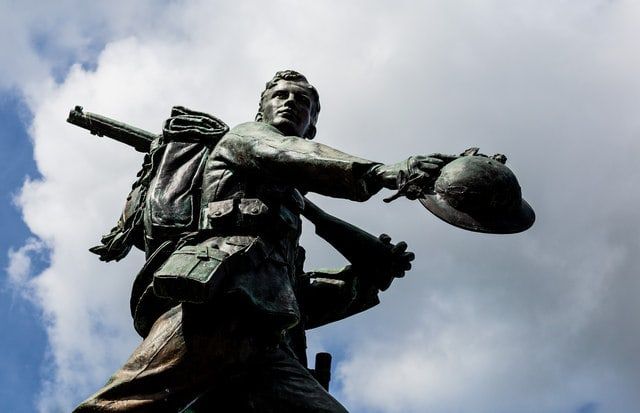
Episode 10 · 35:36
Looking Back
with Mark Connelly · Professor Emeritus of Modern British History, University of Kent
How has remembrance shaped our view of the First World War?
Professor Mark Connelly shows how memory and remembrance shape the way later generations interpret the First World War, and how nations have framed the Great War around their own modern agendas.
0:00 / 35:36Key takeaways & transcript →
How many episodes are in the WW1 series?
Ten, each around 25–38 minutes long, with a different leading First World War historian in each.
Are WW1 transcripts available?
Yes. Every episode page has a full transcript beneath the player, starting with Episode 1 with Professor Heather Jones.
Where should I start?
Episode 1, “100 Years On”, gives an overview of how the field has changed since the 1960s; the rest can be heard in any order.