Podcast series · 10 episodes · 1937–1945
Revisiting The Second World War
A ten-part WW2 history podcast in which today’s historians, informed by new archives and global perspectives, show how major aspects of the war have been under-played, exaggerated or simply got wrong.
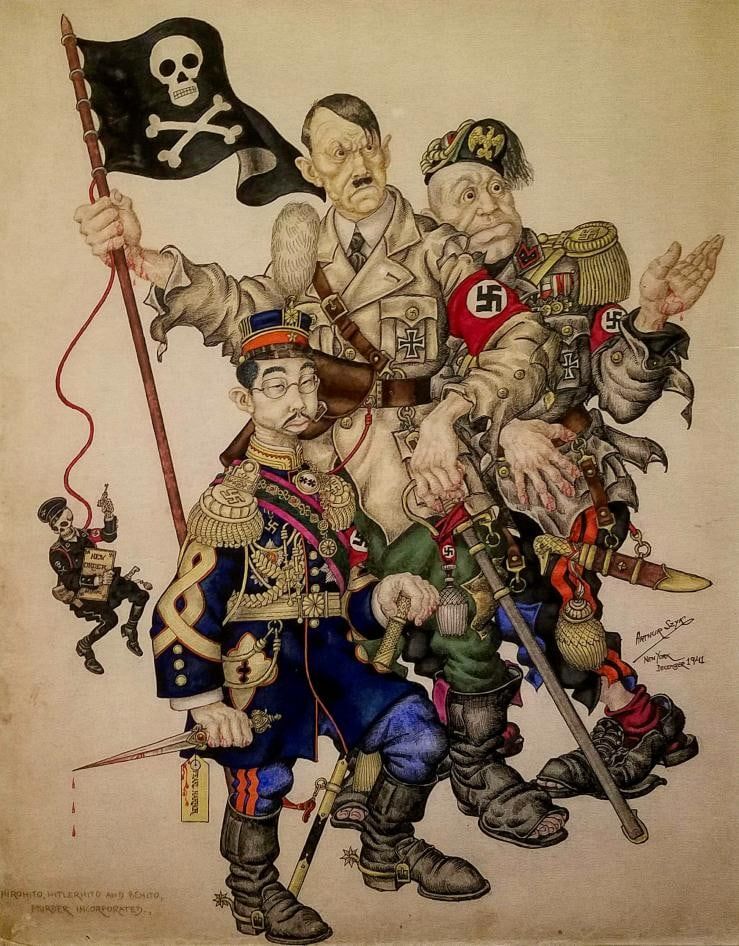
Was WW2 simply a triumph of freedom over tyranny?
The reality was far more complex. Some 80 years on, we still see the Second World War largely in national terms. In Britain that means ‘Britain Alone’ and ‘the Few against the Many’; in America, the ‘Good War’ fought by the ‘Greatest Generation’.
These narratives take little account of the wider global war or the diversity of experience across nations big and small, occupied and free, winners and losers. Today’s historians, informed by new archives, study WW2 in its global context.
The ten episodes
Episode 01 · 1:00:03
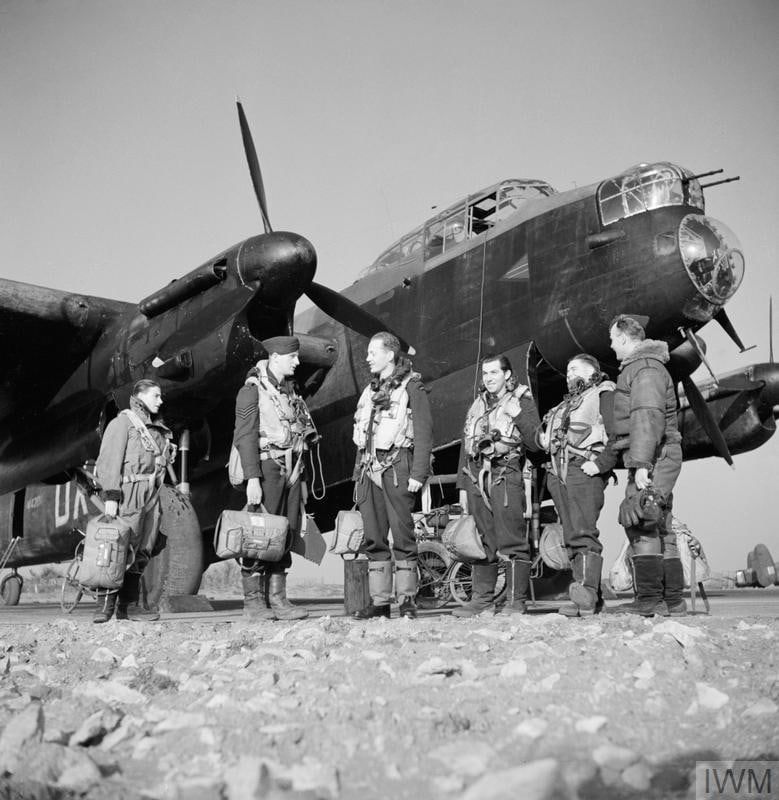
Britain Alone?
with David Edgerton · Hans Rausing Professor of the History of Science and Technology, King’s College London
Did Britain really stand alone in 1940?
Professor David Edgerton shows why the traditional story of Britain’s war is misleading. In 1939 Britain was Europe’s richest nation, at the centre of a global empire, with a thriving military-industrial-scientific complex built for a technological war.
0:00 / 1:00:03Key takeaways & transcript →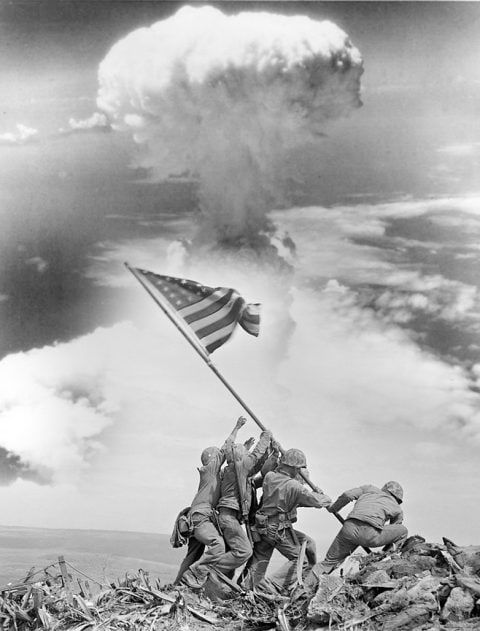
Episode 02 · 1:01:42
A World at War: Winning and Losing
with Richard Overy · Honorary Research Professor of History, University of Exeter
How was the Second World War won and lost?
Professor Richard Overy sets the Second World War in its global context to show how it was lost and won, a process involving not just armies but entire societies.
0:00 / 1:01:42Key takeaways & transcript →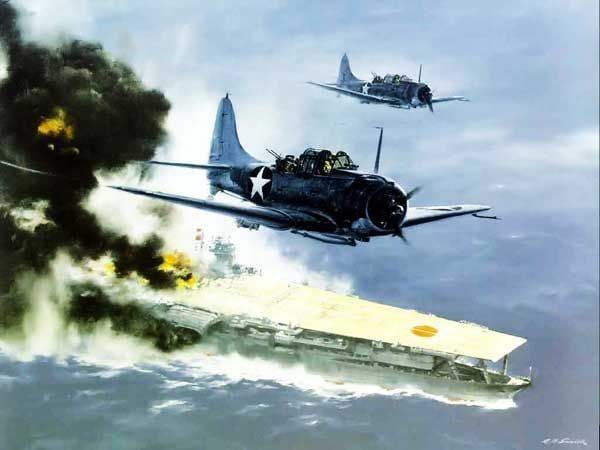
Episode 03 · 1:06:34
The Pacific War
with Ian W. Toll · Author and Historian
How was the Pacific War actually won?
Ian W. Toll, author of the Pacific War Trilogy, explains why the war against Japan is mis-remembered as an army-led story when the real victories were won at sea and in the air.
0:00 / 1:06:34Key takeaways & transcript →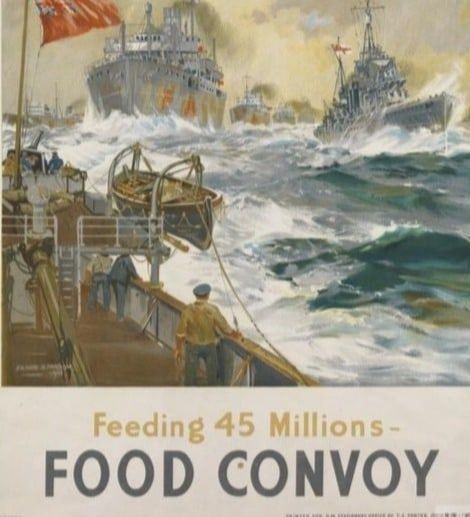
Episode 04 · 47:18
Food: A Matter of Life and Death
with Lizzie Collingham · Social and Cultural Historian
Why was food so important in the Second World War?
Lizzie Collingham, author of The Taste of War, explains how food and its delivery were critical to the conduct of the Second World War, and could be a matter of life or death.
0:00 / 47:18Key takeaways & transcript →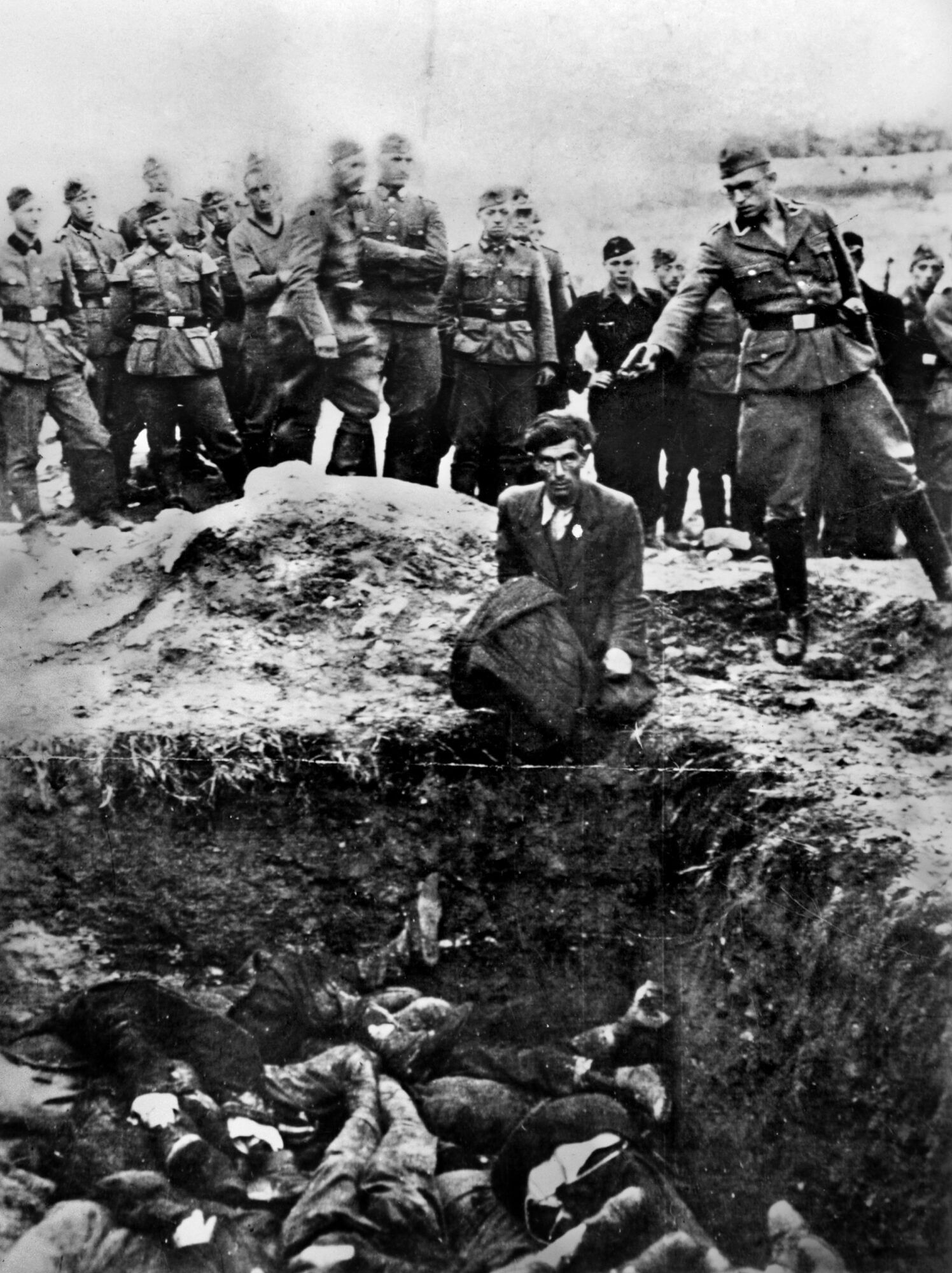
Episode 05 · 1:04:51
The Real Holocaust
with Christian Gerlach · Professor of Modern History, University of Bern
How are historians rethinking the Holocaust?
Professor Christian Gerlach, author of The Extermination of the European Jews, revises the dominant narrative of the Holocaust to explain a phenomenon far more complex and far-reaching than previously understood.
0:00 / 1:04:51Key takeaways & transcript →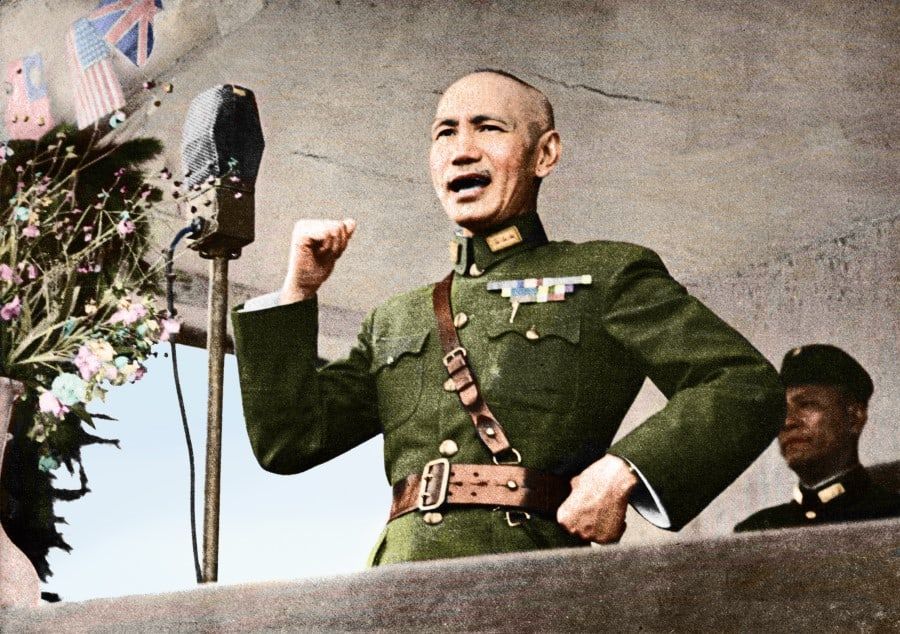
Episode 06 · 1:06:32
China's War
with Hans van de Ven · Professor of Modern Chinese History, University of Cambridge
What was China’s role in the Second World War?
Professor Hans van de Ven reveals a story unfamiliar to most of us: China’s epic war of resistance against Japan in 1937–45, and how it created the Communist superpower of today.
0:00 / 1:06:32Key takeaways & transcript →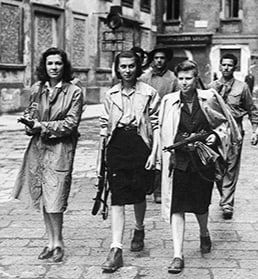
Episode 07 · 1:03:17
The Underground War
with Halik Kochanski · Writer and Historian
How did resistance really work in Nazi-occupied Europe?
Halik Kochanski, author of the award-winning Resistance, tells a far more complex story of the underground war across occupied Europe: subversion, SOE, partisans and civil war, and desperate Jewish defiance.
0:00 / 1:03:17Key takeaways & transcript →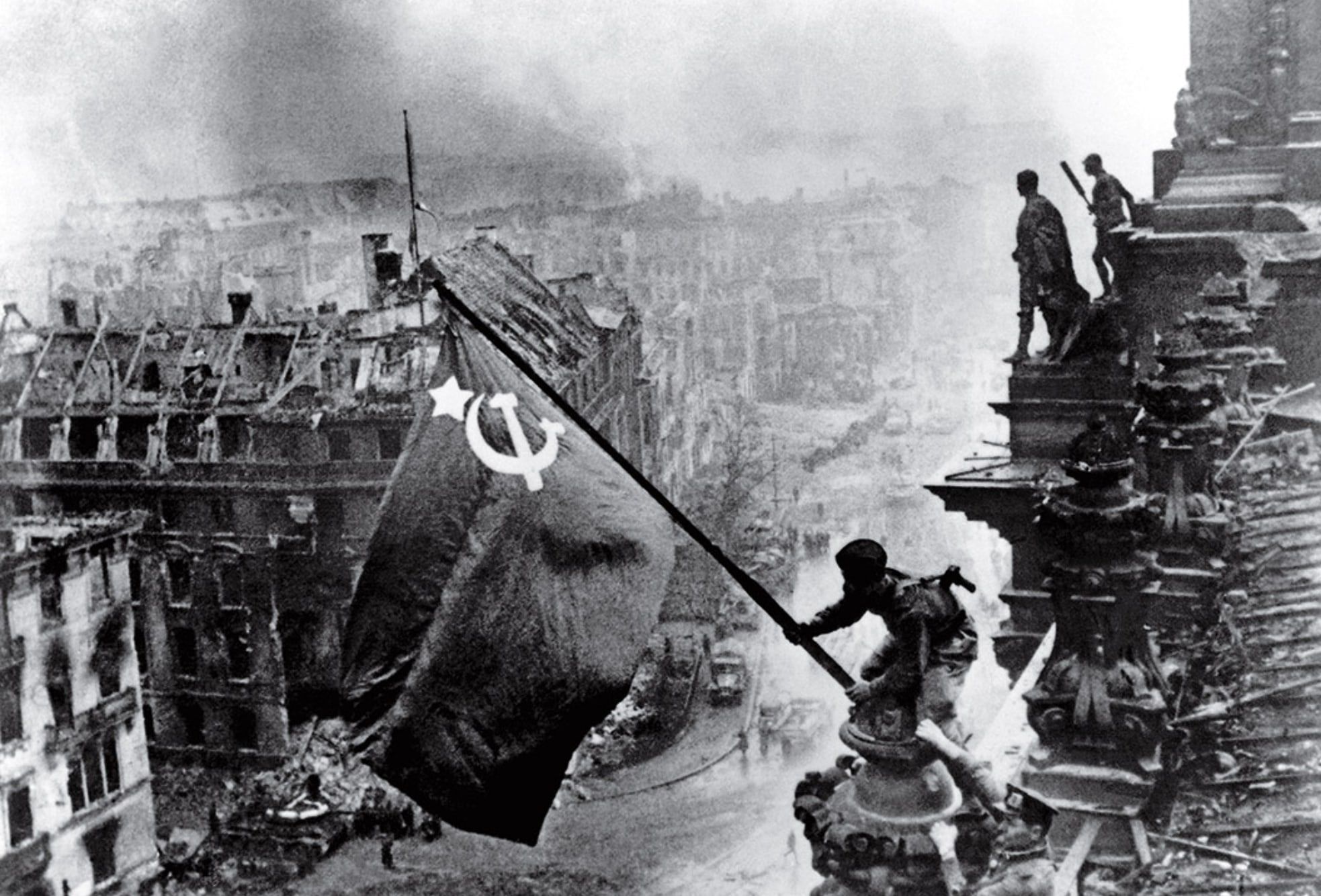
Episode 08 · 1:15:51
The Soviet-German War
with Geoffrey Roberts · Professor Emeritus of Modern History, University College Cork
Why was the Eastern Front decisive in the Second World War?
Professor Geoffrey Roberts explores the Soviet side of the war of 1941–45, the decisive battlefield of the Second World War, too often overshadowed by an Anglo-American narrative.
0:00 / 1:15:51Key takeaways & transcript →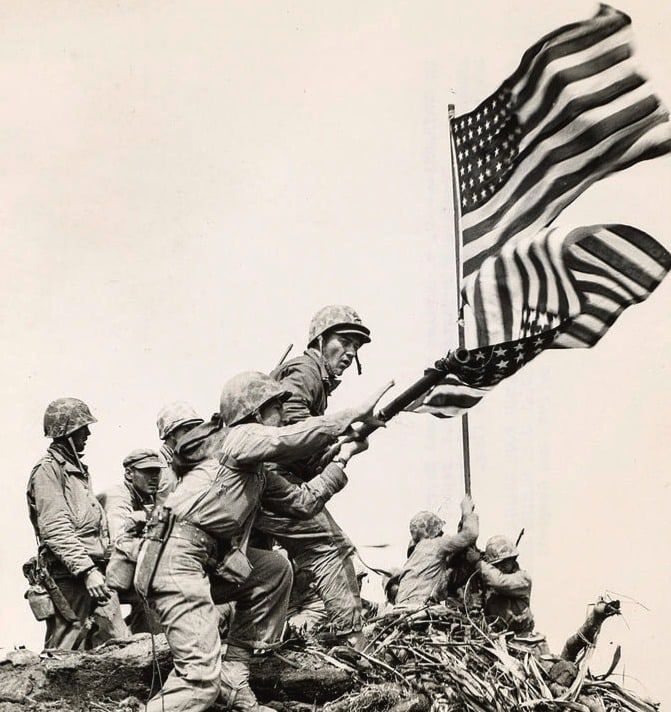
Episode 09 · 1:07:58
America's 'Good War'
with John Bodnar · Distinguished Emeritus Professor of History, Indiana University
Was the Second World War really America's 'Good War'?
Professor John Bodnar, author of The 'Good War' in American Memory, explores the myth of the 'greatest generation' and the reality of a wartime United States that was often divided, cynical and violent.
0:00 / 1:07:58Key takeaways & transcript →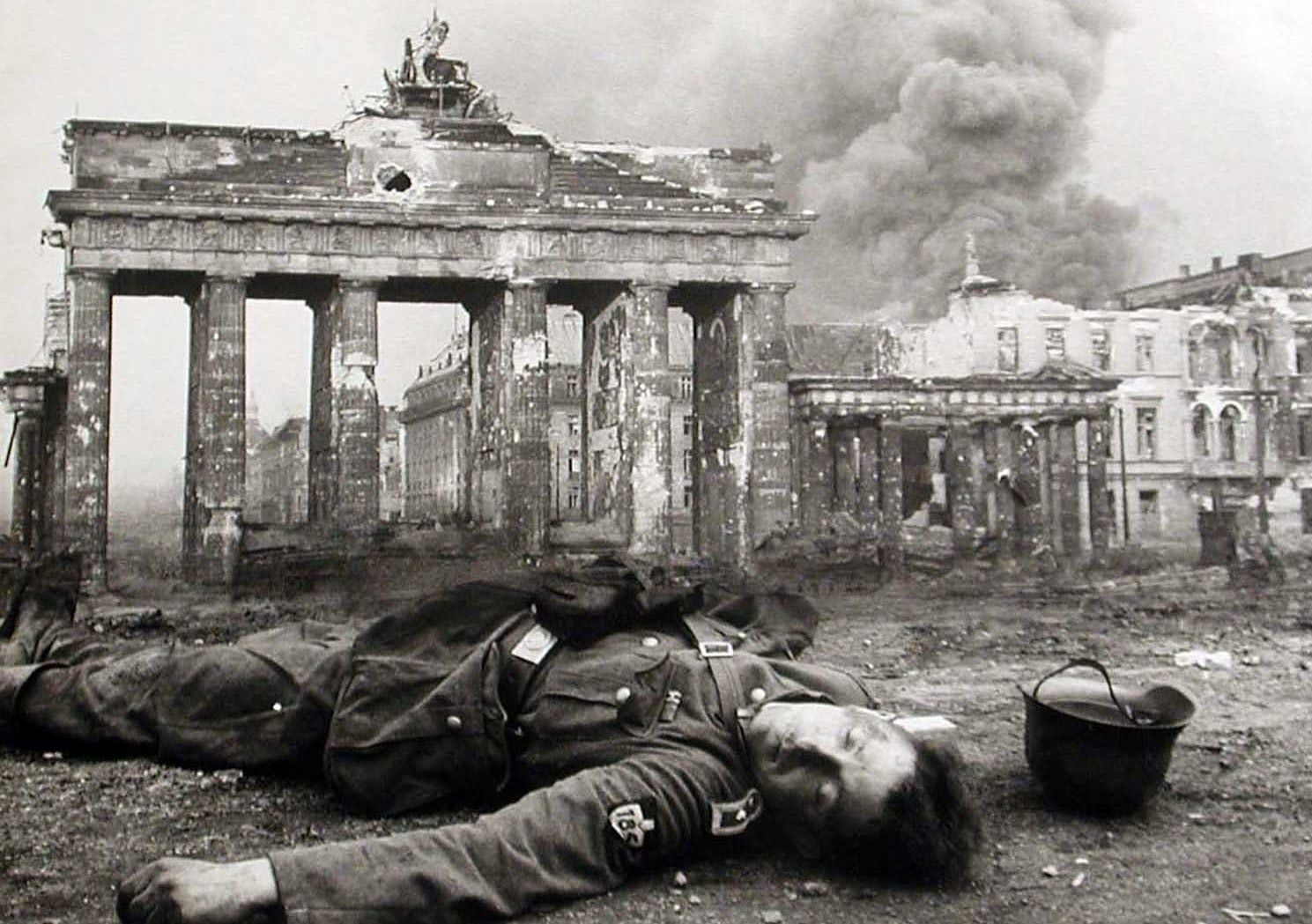
Episode 10 · 53:49
Aftermath
with Keith Lowe · Writer and Historian
What happened in Europe after the Second World War ended?
Keith Lowe, author of Savage Continent, examines the aftermath of the Second World War: a world in ruins, tens of millions of refugees and a slide into chaos that was later forgotten but had a lasting impact.
0:00 / 53:49Key takeaways & transcript →
News from the front
19th International Conference on WW2
19–21 November 2026 · The National WW2 Museum, New Orleans
This year’s conference features a day-long symposium on FDR, plus sessions on the slide to war in the Far East from 1937, the war on Japan, and starvation as a weapon of war. Register to watch recordings online if you can’t attend in person. If you want to hear leading historians on new WW2 scholarship, this is the key forum. Highly recommended.
How many episodes are in the WW2 series?
Ten in-depth episodes of roughly 47 to 76 minutes, each with a leading Second World War historian.
Does the series cover the war outside Europe?
Yes. Episodes cover the Pacific War, China’s war of resistance against Japan from 1937, and the global context of winning and losing.
Where should I start?
Episode 1, “Britain Alone?”, with Professor David Edgerton, then Episode 2 with Richard Overy for the global picture.